


Video isn’t just a tool for marketing - it’s one of the most effective ways to strengthen communication inside your organization. From onboarding to leadership updates, internal video helps teams stay informed, aligned, and connected, no matter where they’re located.
When used intentionally, video becomes a powerful way to build company culture, reinforce values, and make communication more engaging than another long email ever could.
Why Internal Video Works So Well
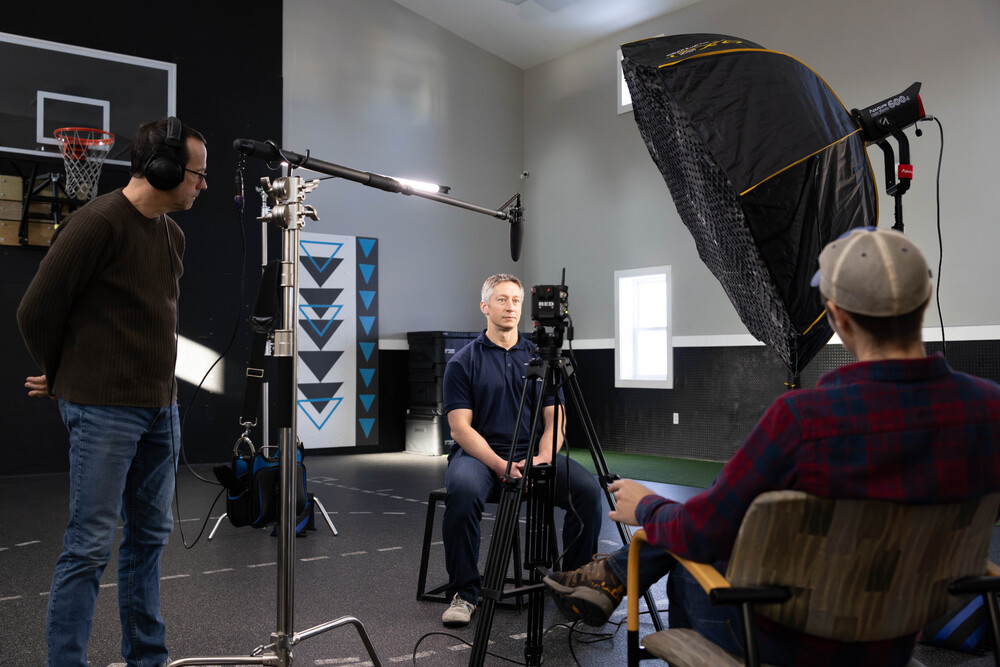
People absorb information differently when they can see and hear it. Tone of voice, facial expressions, and visuals add clarity that written communication often misses.
Internal video helps:
-
Reduce miscommunication
-
Keep remote and in-person teams aligned
-
Make important updates more engaging
-
Create a stronger sense of connection across departments
It turns company communication into something employees are more likely to watch, understand, and remember.
Video for Onboarding and Training
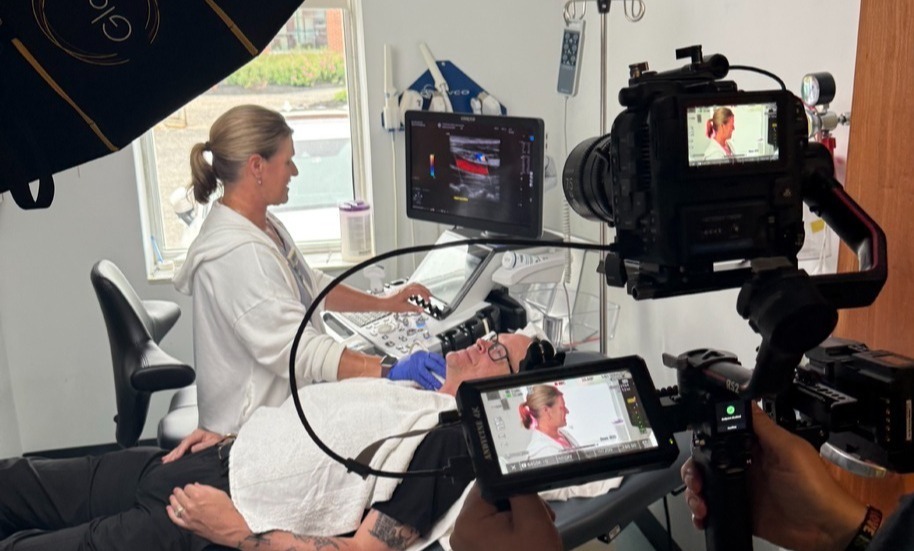
One of the most impactful uses of internal video is onboarding. Instead of overwhelming new hires with documents, video allows them to learn at a comfortable pace while putting faces to names.
Examples include:
-
Welcome messages from leadership
-
Department overviews
-
Role-specific training videos
-
Walkthroughs of tools and processes
Training videos also create consistency, ensuring everyone receives the same information and reducing time spent repeating instructions.
Leadership Communication That Feels Personal

Company updates can feel distant when they come through text alone. Video messages from leadership make communication feel more transparent and human.
Quarterly updates, big announcements, and company milestones delivered on camera help employees feel included and informed — especially in larger or distributed teams.
Celebrating People and Culture

Video is also a great way to highlight the people behind your business. Employee spotlights, team events, and behind-the-scenes moments build a stronger sense of community.
This kind of content reinforces company values and helps employees feel recognized, which contributes to morale and retention. Utilizing this content in a public fashion via social media also shows appreciation for your team.
A Simple Workflow for Internal Video

Getting started with internal video doesn’t have to be complicated. Here’s a simple process businesses can follow:
1. Identify key communication needs
Think onboarding, training, updates, and culture moments.
2. Plan short, focused videos
Keep videos clear and concise so employees can easily digest the information.
3. Batch content when possible
Film multiple videos in one session to save time and maintain consistency.
4. Store videos in an accessible place
Use a shared platform or internal portal where employees can revisit content anytime.
5. Update as needed
Refresh training or process videos when information changes.
With a system in place, internal video becomes a sustainable part of how your company communicates.
Strong communication builds strong culture. Internal video helps employees feel informed, connected, and valued — whether they’re in the office or working remotely.
If you’re ready to create professional internal videos that support onboarding, training, and company culture, we’d love to help.

Video for Internal Use: Training & Company Culture
How To Get Your Team Camera Ready
No Comments Yet
Let us know what you think