---
title: How to Use Video & Photography in Your Marketing
description: Learn when to use photography versus video in your marketing strategy, and why combining both creates stronger, more effective digital campaigns.
image: https://www.horizonvisualmedia.com/hubfs/DSC03291-2.jpeg
---
[Skip to content](https://www.horizonvisualmedia.com/latest/how-to-use-video-photography-in-your-marketing#main-content)
[](https://www.horizonvisualmedia.com/)
- [Home](https://www.horizonvisualmedia.com/)
- [Showcase](https://www.horizonvisualmedia.com/showcase)
- Video
- [All video services](https://www.horizonvisualmedia.com/video)
- [Promotional Video](https://www.horizonvisualmedia.com/promotional-video-production)
- [Recruitment Video](https://www.horizonvisualmedia.com/recruitment-video-production)
- [Training Video](https://www.horizonvisualmedia.com/training-video-production-horizon-visual-media)
- [Testimonial Video](https://www.horizonvisualmedia.com/testimonial-video-production)
- [Police & Fire Recruitment](https://www.horizonvisualmedia.com/responders)
- [Social Media Packages](https://www.horizonvisualmedia.com/socialmediamanagementpackages)
- [Construction & Industrial](https://www.horizonvisualmedia.com/construction-video-production)
- [Pricing](https://www.horizonvisualmedia.com/video-production-cost)
- [Blog](https://www.horizonvisualmedia.com/latest)
- [Contact](https://www.horizonvisualmedia.com/contact)
[Get a quote](https://www.horizonvisualmedia.com/latest/how-to-use-video-photography-in-your-marketing#quote)[207-713-4245](tel:2077134245)
[Get a quote](https://www.horizonvisualmedia.com/latest/how-to-use-video-photography-in-your-marketing#quote)

[Social Media](https://www.horizonvisualmedia.com/latest/tag/social-media)
# How to Use Video & Photography in Your Marketing
 [Dave Perlman](https://www.horizonvisualmedia.com/latest/author/dave-perlman) January 23, 2026 3 min read
When planning a marketing campaign, one of the most common questions businesses ask is whether they should invest in photography, video, or both. The truth is, each serves a different purpose and the strongest campaigns almost always use a combination of the two.
Understanding when to use photography, when video is essential, and how they work together can help you create more effective digital media that connects with your audience and drives results.
---
## **When Photography Works Best**
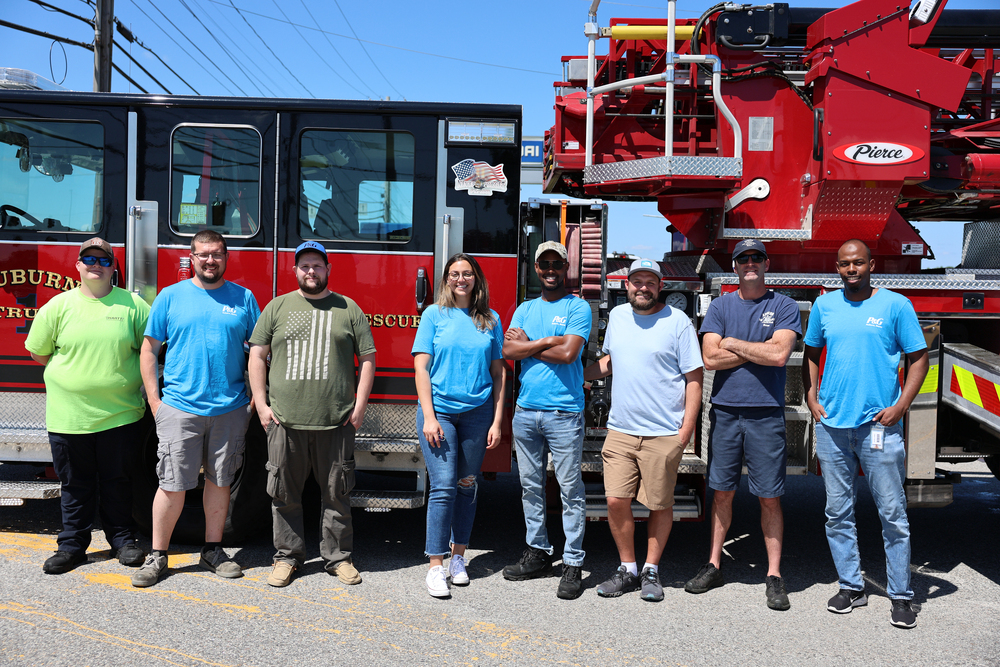
Photography is often the foundation of a brand’s visual identity. It’s quick to consume, easy to place across platforms, and incredibly versatile.
Photography works especially well for:
- Website imagery
- [Social media posts and ads](https://www.horizonvisualmedia.com/latest/repurposing-video-content-maximize-your-marketing)
- Product photos
- Team and headshots
- Print and digital marketing materials
Strong photography creates instant credibility. A single image can communicate professionalism, personality, and quality in a fraction of a second — making it ideal for first impressions and brand consistency.
---
## **Where Video Becomes Essential**
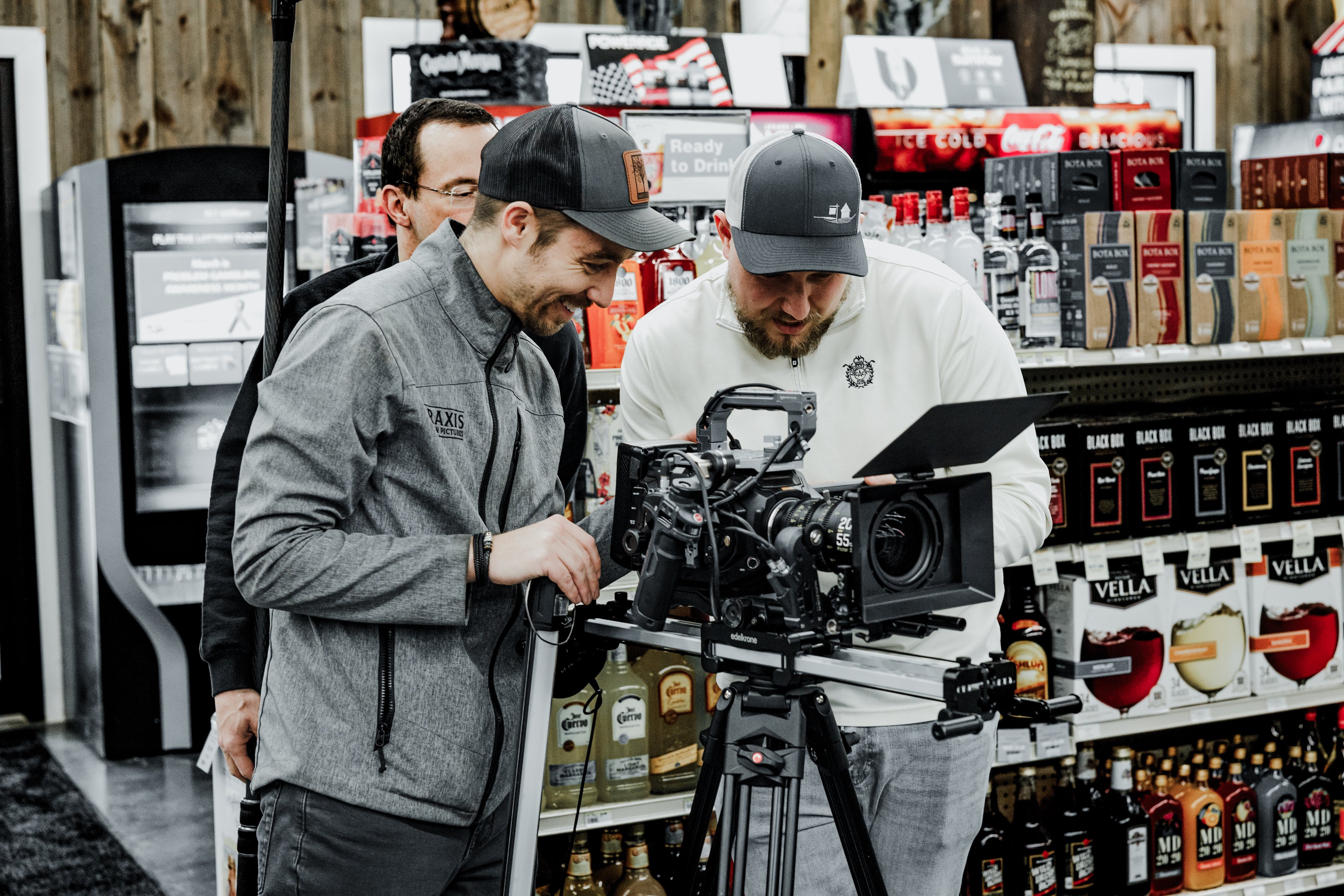
Video goes a step further by telling a story over time. It combines visuals, sound, and motion to create an emotional connection — which is why it performs so well for engagement and conversions.
Video is essential for:
- Explaining complex services or products
- [Testimonials and case studies](https://www.horizonvisualmedia.com/latest/how-do-you-make-a-customer-testimonial-video)
- [Brand and culture storytelling](https://www.horizonvisualmedia.com/promotional-video-production)
- [Recruitment and hiring content](https://www.horizonvisualmedia.com/recruitment-video-production)
- [Social media engagement](https://www.horizonvisualmedia.com/socialmediamanagementpackages) and ads
If your goal is to build trust, educate your audience, or influence a decision, video is often the most effective format.
---
## **How Photography and Video Support Each Other**

The most successful campaigns don’t choose one or the other — they use both strategically.
Photography and video work together by:
- Creating a cohesive visual brand across platforms
- Allowing content to be repurposed more easily
- Supporting both quick engagement (photos) and deeper storytelling (video)
- Improving consistency across websites, social media, and ads
For example, a single shoot can produce a brand video, short social clips, behind-the-scenes content, and high-quality still images — maximizing your investment and extending the life of your content.
---
## **Platform Matters More Than Ever**
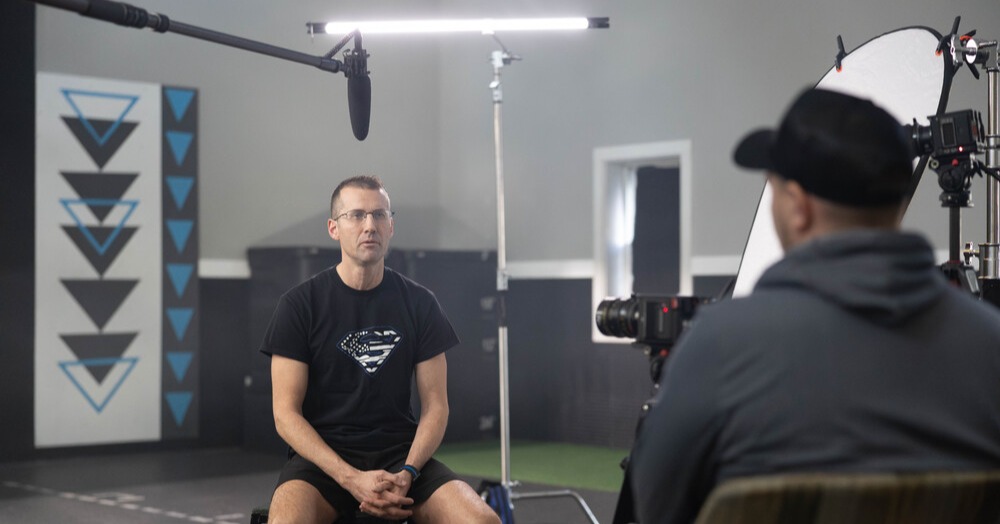
Different platforms favor different formats. Photos may perform well on websites and email marketing, while video dominates social feeds and landing pages.
Understanding where your content will live helps determine the right mix and ensures your visuals are optimized for how people actually consume media today.
Photography and video aren’t competing tools — they’re complementary. Photography captures attention quickly, while video builds connection and drives action. When used together, they create stronger, more cohesive marketing that works harder for your business.
If you’re ready to build a visual strategy that includes both photography and video — and uses each where it matters most — [we’d love to help.](https://www.horizonvisualmedia.com/contact)
[Social Media](https://www.horizonvisualmedia.com/latest/tag/social-media)[Marketing](https://www.horizonvisualmedia.com/latest/tag/marketing)
Keep reading
## More from the blog
- ### [ Oct 7, 2026 Do I Need to Script My Videos?](https://www.horizonvisualmedia.com/latest/do-i-need-to-script-my-videos)
- ### [ Sep 30, 2026 What Makes a Good Recruitment Video?](https://www.horizonvisualmedia.com/latest/what-makes-a-good-recruitment-video)
- ### [ Sep 23, 2026 What It's Like to Work With Maine Businesses](https://www.horizonvisualmedia.com/latest/what-its-like-to-work-with-maine-businesses)
- ### [ Sep 16, 2026 How to Get More Out of Your Digital Media](https://www.horizonvisualmedia.com/latest/how-to-get-more-out-of-your-digital-media)
## Let's make something *worth watching.*
Tell us what you need people to do. We'll send back a plan and a fixed quote — usually within one business day.
[Get a quote](https://www.horizonvisualmedia.com/latest/how-to-use-video-photography-in-your-marketing#quote)[Ballpark the cost](https://www.horizonvisualmedia.com/video-production-cost)
[](https://www.horizonvisualmedia.com/)
Video production for Maine and New England companies. Brand films, recruitment, training and testimonial videos — planned around what your viewer does next.
-
-
-
-
-
Video
- [Promotional video](https://www.horizonvisualmedia.com/promotional-video-production)
- [Recruitment video](https://www.horizonvisualmedia.com/recruitment-video-production)
- [Training video](https://www.horizonvisualmedia.com/training-video-production-horizon-visual-media)
- [Testimonial video](https://www.horizonvisualmedia.com/testimonial-video-production)
- [Social media packages](https://www.horizonvisualmedia.com/socialmediamanagementpackages)
Company
- [Showcase](https://www.horizonvisualmedia.com/showcase)
- [Cost estimator](https://www.horizonvisualmedia.com/video-production-cost)
- [Blog](https://www.horizonvisualmedia.com/latest)
- [Contact](https://www.horizonvisualmedia.com/contact)
Contact
- [207-713-4245](tel:+12077134245)
- [dave@horizonvisualmedia.com](mailto:dave@horizonvisualmedia.com)
- [Get a quote](https://www.horizonvisualmedia.com/latest/how-to-use-video-photography-in-your-marketing#quote)
© 2026 Horizon Visual Media LLC · 368 Minot Ave, Auburn, Maine
Made in Maine.
Get a quote
## Tell us about *your project.*
1 / 3
What are you looking to make?
Pick all that apply.
**Brand or promo film**Tell your story, sell your offer **Recruitment video**Attract better applicants **Training video**Onboarding, safety, how-to **Testimonial video**Customers selling for you **Social content**Ongoing shoots and short-form **Not sure yet**Let's figure it out together
When do you need it?
**ASAP (under 4 weeks)** **1–2 months** **3+ months** **Just exploring**
Rough budget?
**Under $5k** **$5k–$10k** **$10k–$25k** **$25k+** **Not sure**
Where should we send your plan?
First name Last name Work email Phone *(best way to reach you)* Company Anything else we should know? *(optional)*
We'll only use this to reply to you. No newsletters, no list-selling.
Back
Continue
Send my request
### Got it. Talk soon.
We'll reach out within one business day — usually with a quick call to talk through your project. Rather pick the time yourself? Grab a 15-minute slot below.
[Book a 15-minute call](https://www.horizonvisualmedia.com/meetings/dave-perlman?uuid=ea45f749-fe8f-4197-bce8-5283839fa65a)
Prefer to talk? Call [207-713-4245](tel:+12077134245) or email [dave@horizonvisualmedia.com](mailto:dave@horizonvisualmedia.com).
```json
{
"@context" : "https://schema.org",
"@type" : "BlogPosting",
"author" : {
"@type" : "Person",
"name" : "Dave Perlman",
"url" : "https://www.horizonvisualmedia.com/latest/author/dave-perlman"
},
"dateModified" : "2026-10-12T23:27:45.949Z",
"datePublished" : "2026-01-23T13:30:01.000Z",
"headline" : "How to Use Video & Photography in Your Marketing",
"image" : [ "https://www.horizonvisualmedia.com/hubfs/DSC03291-2.jpeg" ],
"mainEntityOfPage" : {
"@id" : "https://www.horizonvisualmedia.com/latest/how-to-use-video-photography-in-your-marketing",
"@type" : "WebPage"
},
"publisher" : {
"@type" : "Organization",
"logo" : {
"@type" : "ImageObject",
"url" : "https://www.horizonvisualmedia.com/hubfs/horizonlogo.png"
},
"name" : "Horizon Visual Media"
}
}
```
```json
{
"@context" : "https://schema.org",
"@type" : "LocalBusiness",
"address" : {
"@type" : "PostalAddress",
"addressCountry" : "US",
"addressLocality" : "Auburn",
"addressRegion" : "ME",
"postalCode" : "04210",
"streetAddress" : "368 Minot Ave"
},
"areaServed" : [ "Maine", "New Hampshire", "Vermont", "Massachusetts", "New England" ],
"description" : "Video production company in Auburn, Maine serving businesses across Maine and New England.",
"email" : "dave@horizonvisualmedia.com",
"foundingDate" : "2015",
"name" : "Horizon Visual Media",
"telephone" : "+1-207-713-4245",
"url" : "https://horizonvisualmedia.com"
}
```